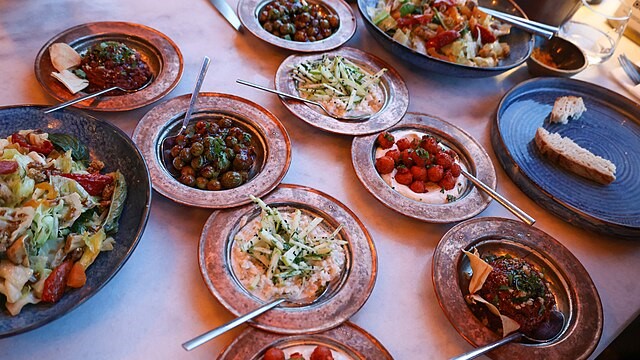
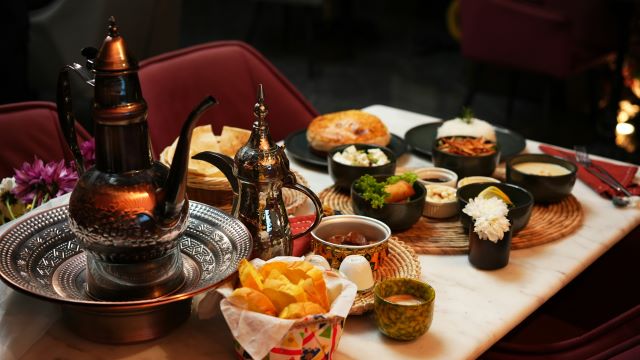
Turkish cuisine represents a living bridge between the Ottoman Empire’s cosmopolitan food traditions and contemporary culinary innovation across Türkiye. The evolution of Turkish food culture demonstrates how historical imperial practices, regional diversity, and modern gastronomic ambition combine to create a distinctive culinary landscape that extends influence far beyond national borders.
The Ottoman Foundation of Turkish Gastronomy
The Ottoman Empire’s extensive territorial reach across three continents established the structural foundations for Turkish cuisine as it exists today. For nearly six centuries, the imperial palace kitchens in Istanbul developed sophisticated cooking methods, ingredient combinations, and presentation standards that filtered gradually into broader Turkish society. These culinary practices reflected the empire’s ability to source ingredients from diverse climates and cultures, creating a cuisine distinguished by layered flavors, careful spice balancing, and elaborate preparation techniques.
Ottoman court cuisine operated as a formal system with distinct hierarchies, specialized roles, and documented recipes that prioritized balance between sweet, savory, and sour elements. This structured approach to cooking permeated Turkish food culture across all social levels, establishing enduring preferences for slow-cooked meat dishes, elaborate pastries, and carefully prepared sauces. The Ottoman emphasis on hospitality as a cultural value transformed food preparation and sharing into expressions of social status and respect, patterns that remain embedded in Turkish dining customs.
Regional Diversity and Geographic Expression
Turkish cuisine’s remarkable regional variation reflects the country’s diverse geography, climate zones, and historical settlement patterns. The Mediterranean and Aegean coastal regions developed distinct approaches centered on olive oil, fresh vegetables, and seafood, while Central Anatolia emphasized grain-based dishes, preserved foods, and dairy products suited to continental conditions. The southeastern regions show influences from Mesopotamian and Arab culinary traditions, featuring spiced meat preparations and distinctive bread varieties.
This geographic diversity creates multiple legitimate expressions of Turkish food identity rather than a single standardized approach. Home cooks in different regions maintain distinct recipes, ingredient preferences, and cooking methods passed through family networks. Simultaneously, Turkish restaurants and food businesses increasingly document and codify regional specialties, making traditional preparations from across the country accessible to broader audiences. This documentation process both preserves culinary knowledge and allows regional dishes to gain recognition beyond their areas of origin.
Contemporary Evolution and Gastronomic Development
Modern Turkish culinary culture engages in dynamic dialogue between honoring Ottoman and regional heritage and embracing contemporary cooking techniques and international influences. Turkish chefs trained in classical French methods, molecular gastronomy, and global fusion approaches increasingly reinterpret traditional dishes through contemporary lenses. This creative engagement produces new dishes that maintain thematic or technical connections to Ottoman foundations while incorporating modern sensibilities regarding presentation, ingredient sourcing, and flavor development.
Urban food scenes in Istanbul, Ankara, and other major cities demonstrate this evolution through restaurant concepts that range from meticulous recreations of historical recipes to bold contemporary reinterpretations. Professional culinary education programs now emphasize both historical understanding of Ottoman and Turkish food traditions and modern kitchen skills, creating practitioners capable of maintaining authenticity while pursuing innovation. This dual focus addresses a fundamental challenge: how to preserve valuable culinary knowledge while remaining relevant to evolving consumer preferences and global gastronomic standards.
Ingredient Culture and Agricultural Connection
Turkish cuisine maintains deep connections to ingredient sourcing and agricultural practices that reflect both Ottoman heritage and contemporary sustainability interests. The country’s diverse climate zones support production of ingredients fundamental to Turkish cooking: olive oil, pomegranates, eggplants, lamb, yogurt, and grains. These ingredients appear across Ottoman-era recipes and contemporary dishes, creating continuity between historical and modern food practices.
Growing attention to seasonal eating, local sourcing, and heritage crop varieties aligns with traditional Turkish approaches while meeting contemporary food ethics expectations. Turkish farmers and food producers increasingly market heritage seeds, traditional preservation methods, and ingredient varieties that connect to Ottoman-era cooking. Simultaneously, modern supply chains allow year-round access to diverse ingredients, changing how contemporary cooks engage with seasonality compared to historical practices. This intersection between tradition and modernity creates opportunities for Turkish cuisine to gain recognition as both historically significant and environmentally conscious.
International Recognition and Cultural Export
Turkish cuisine has expanded its international presence through migration networks, tourism, and deliberate cultural promotion efforts that position food as a representation of Turkish identity and values. Turkish restaurants operate in major cities worldwide, with varying degrees of fidelity to traditional preparation methods and ingredient sourcing. This global presence raises ongoing questions about authenticity, adaptation, and the relationship between export versions of Turkish cuisine and preparations in Türkiye itself.
Professional culinary organizations and government cultural institutions increasingly support international promotion of Turkish gastronomy through chef exchanges, international competition participation, and culinary tourism development. These efforts frame Turkish cuisine as worthy of recognition alongside other established culinary traditions, challenging historical hierarchies that privileged European cooking systems. This positioning serves multiple purposes: cultural diplomacy, tourism revenue generation, and assertion of Turkish contributions to global food culture.