How Turkish Cuisine Evolved from Royal Feasts to Everyday Street Food
Culture & Cuisine | April 2025
Istanbul, Turkey – Turkish cuisine is more than a national treasure—it’s a living, breathing story told through flavors, ingredients, and traditions that date back centuries. From the opulent kitchens of the Ottoman sultans to the smoky doner kebab stalls of modern Istanbul, Turkey’s culinary evolution is as rich and layered as its history.
A Taste of Royalty: The Ottoman Influence on Turkish Cuisine
Centuries ago, the kitchens of Topkapi Palace in Istanbul were among the most advanced culinary institutions in the world. Here, teams of elite chefs served emperors with dishes crafted from the finest ingredients collected across the vast Ottoman Empire.
Royal favorites like Hünkar Beğendi (a lamb stew with creamy eggplant purée) and Mutancana (a sweet-savory lamb dish with dried fruits and nuts) remain symbols of Turkey’s sophisticated food heritage. These dishes weren’t merely meals—they were political tools, ceremonial symbols, and expressions of power and prestige.
Street Food: The People’s Kitchen
While palace dishes reflected privilege, Turkish street food tells the story of the people. Staples like simit (a sesame-encrusted bread ring), kokoreç (seasoned grilled intestines), and midye dolma (stuffed mussels) reveal the inventive spirit of everyday cooks. These affordable, flavorful bites have become a cornerstone of Turkey’s urban identity.
Across cities like Istanbul, Izmir, and Gaziantep, street vendors continue to serve food that reflects both regional diversity and historical depth. This dynamic interplay between tradition and innovation keeps Turkish cuisine vibrant and ever-evolving.
Culinary Continuity in a Modern Nation
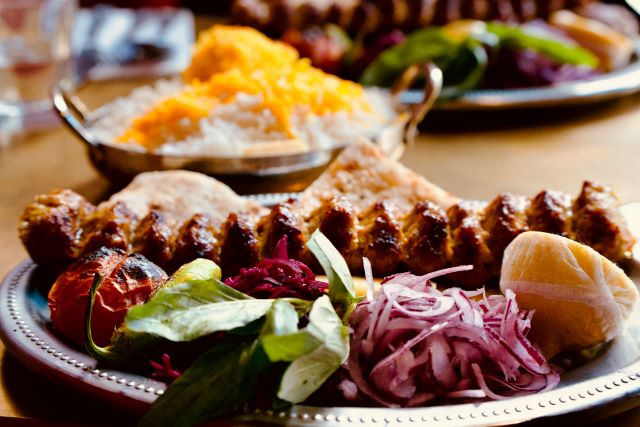
In today’s Turkey, young chefs and food entrepreneurs are rediscovering the recipes of the past, giving them a modern twist while staying true to their roots. Turkish cuisine has gained global recognition, thanks to diaspora communities and the international appeal of dishes like kebab, meze, and baklava.
Culinary tourism is also on the rise. Travelers flock to Turkey not just for its sights, but to experience its food culture—from tasting street delicacies in Istanbul to joining cooking classes in Cappadocia.
Why Turkish Cuisine Matters Today
At its core, Turkish food is about hospitality, community, and storytelling. Each dish carries the memory of empires, trade routes, and generations of home cooks. Whether enjoyed in a grand restaurant or at a corner stall, Turkish food is a bridge between past and present, royalty and the people.